
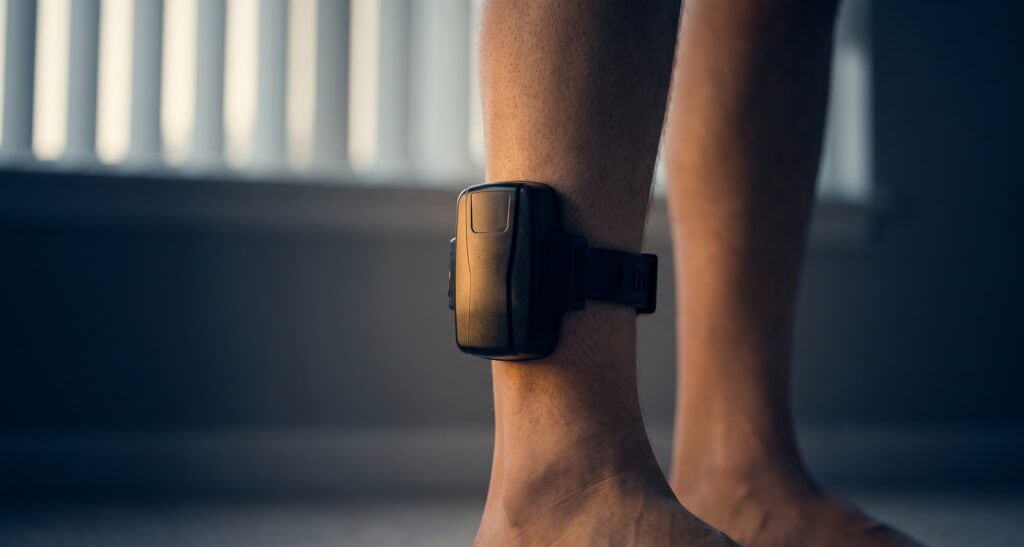
A no contact order in Florida is a court order, set as a condition of pretrial release, that bars a defendant from any contact with the alleged victim, and it stays in effect for as long as the pretrial release lasts or until the court changes it (Fla. Stat. § 903.047(1)(b)). Since October 1, 2026, willfully violating a no-contact order set as a condition of pretrial release is a separate crime in Florida when the original arrest was for a violent offense such as battery, assault, stalking, or robbery. A first violation is a first-degree misdemeanor, punishable by up to 1 year in jail; a second is a third-degree felony, punishable by up to 5 years in prison; and the person stays in jail until first appearance (Fla. Stat. § 903.0472(1)-(3)). The Victim Safety in Pretrial Release Act (CS/CS/HB 397, Chapter 2026-155, Laws of Florida), signed June 16, 2026, created the statute.
What a No-Contact Order Covers
A no-contact order set as a condition of pretrial release bars any contact with the alleged victim: in person, by phone, by text, by email, through social media, or through a third party relaying messages on the person’s behalf. Unless the court orders otherwise, it also keeps the defendant 500 feet from the alleged victim’s home, even a shared one, and from the victim’s vehicle and workplace (Fla. Stat. § 903.047(1)(b)). These orders are common in domestic violence cases, but they’re not limited to them; the law applies to any case involving one of the qualifying charges below. A no-contact order is separate from a civil injunction, as our post on domestic violence injunctions and criminal charges explains, and our guide for people falsely accused of domestic violence covers what to avoid while an order is in place.
What Changed on October 1, 2026
Before this law, violating a no-contact condition of release could lead to bond being revoked, but it was not necessarily a separate criminal charge. Under the law effective October 1, 2026, codified at Fla. Stat. § 903.0472, willfully violating that condition is now a separate offense, charged apart from whatever case the person was already facing.
Which Charges Trigger This Law
The new offense applies when the no-contact condition was imposed after an arrest for one of the following:
- Murder or manslaughter
- Assault or aggravated assault
- Battery or aggravated battery
- Stalking or aggravated stalking
- Kidnapping or false imprisonment
- Sexual battery
- Lewd or lascivious offenses against a person under 16
- Robbery
- Written or electronic threats to kill or cause bodily injury
- Any other felony involving the use or threat of physical force or violence
The Penalties
A first violation is a first-degree misdemeanor, punishable by up to one year in jail and a fine of up to $1,000. A second or later violation is a third-degree felony, punishable by up to five years in prison and a fine of up to $5,000.
No Automatic Bond on Arrest
Anyone arrested under this law, or arrested for a new offense while already on pretrial release for one of the crimes listed above, must be held in custody until their first appearance hearing. At that hearing, the court weighs the nature of the original charge, the person’s history of following court orders, and any sign of intent to intimidate or harm anyone, before deciding whether to allow release. See our full Miami-Dade bail and bond guide for how release decisions work more broadly. Release after a guilty plea or verdict on a listed dangerous crime follows different rules under Missy’s Law.
Officers Can Arrest Without a Warrant
The law also amends Fla. Stat. § 901.15 to let an officer arrest someone without a warrant whenever there is probable cause to believe this section was violated. Under Fla. Stat. § 903.0472(4), an officer cannot be held liable in a civil lawsuit for an arrest based on probable cause that the person violated this section.
For help with a domestic violence charge, see the firm’s Miami domestic violence defense lawyer page.
Sources
Last updated: .
Answers to Your Questions
What counts as violating a no-contact order?
Violating a no-contact order means any direct or indirect contact with the alleged victim that the order prohibits, including phone calls, texts, social media messages, showing up at a shared location, or asking someone else to pass along a message.
Does this create a brand-new crime, or just increase an existing penalty?
It creates a new crime, Fla. Stat. § 903.0472, charged separately from the original case rather than as an enhancement to it.
Can I get bond right away if I’m arrested for violating a no-contact order under this law?
No, a person arrested for violating a no-contact order under this law is held in custody until a first appearance hearing, where a judge decides whether to grant release (Fla. Stat. § 903.0472(3)).
Does this law apply to every criminal case with a no-contact order?
No, it applies when the no-contact condition followed an arrest for one of the qualifying violent offenses listed above, from assault and battery to stalking, kidnapping, sexual battery, and similar crimes.
What happens on a second violation?
A second violation is a third-degree felony, punishable by up to five years in prison and a fine of up to $5,000, instead of the first-offense misdemeanor penalty.
Can police arrest someone for this without a warrant?
Yes, police can make this arrest without a warrant. The law amends Fla. Stat. § 901.15 to allow a warrantless arrest whenever an officer has probable cause to believe the condition was willfully violated.
Does this law apply to cases that started before October 1, 2026?
Yes, the new crime applies to any violation that happens on or after October 1, 2026, even if the arrest and the no-contact order came earlier, because § 903.0472(1) turns on when the violation occurs and sets no date for when the order was imposed. A violation before October 1, 2026, cannot be charged under this statute, since applying a new crime to earlier conduct would violate the ex post facto clauses of the Florida and U.S. Constitutions. Procedural provisions, such as holding the person until first appearance, can reach pending cases regardless of when the underlying charge was filed.
What should I do if I’ve been accused of violating a no-contact order?
Call a criminal defense attorney before your first appearance hearing, not after. Because this law removes automatic bond, that hearing is now the first and most important chance to present the judge with context the officer’s report may not include.
A person arrested under this law stays in custody until a judge sees them, so the time to call is before first appearance. If you or someone you know has been arrested for this, call me directly. Calls reach me, Andre Rouviere, not an intake center, and the first consultation is free with no obligation to hire the firm. See our full Criminal Defense page for how the firm approaches cases like this. If it’s after hours or the weekend, the office keeps a 24-hour answering service.