
Miami Criminal Defense Attorney
State and federal criminal defense in Miami-Dade, Broward, and the Southern District of Florida since 1989. Direct attorney involvement on every case, from the first call through resolution.
What Miami Clients Ask First
My family member was just arrested in Miami-Dade. What do I do right now?+
The police want to talk to me but I have not been arrested. Should I?+
What happens at a first appearance hearing in Miami-Dade?+
What is the difference between a felony and a misdemeanor in Florida?+
Can I avoid jail time on a felony charge in Florida?+
Should I take the plea offer the prosecutor gave me?+
Will a criminal charge in Miami affect my immigration status?+
Can a criminal record be cleared in Florida?+
Does the firm handle federal criminal cases in Miami?+
How do I know if my case is state or federal?+
What does a criminal defense attorney cost in Miami?+
Will I work directly with Andre, or get passed to someone else?+
Direct attorney involvement on every Miami case.
Criminal defense requires sustained attention from someone who has read the file in detail. The Law Offices of Andre A. Rouviere is a boutique practice by design. Andre handles each consultation personally, reviews the discovery, prepares the motions, and appears in court at the Richard E. Gerstein Justice Building himself.
Calls reach Andre directly without a screening service or junior intake. The same attorney who takes the call handles the case through resolution.
The First 48 Hours Set the Case
An arrest in Miami-Dade moves quickly. Most of what happens in the first two days happens whether or not a lawyer is involved. Counsel changes what can be argued during that window.
Arrest and Booking
Processing at a Miami-Dade facility such as the Turner Guilford Knight Correctional Center. Anything said to law enforcement here becomes evidence. The right to remain silent applies from this point forward.
First Appearance
A judge reviews probable cause, sets bond, and imposes conditions of release. Miami-Dade conducts felony bond hearings by video from the pretrial detention center. Counsel at this hearing can argue bond amount and conditions. Modifying them later is harder.
Filing Decision
The Miami-Dade State Attorney's Office decides what to formally charge. That is not always what the arrest was for. Charges can be increased, reduced, or declined. Contact with the assigned prosecutor before the decision is one of the most useful things a defense lawyer does.
More on the bond hearing in our full Bail and Bond Guide and Criminal Case Timeline, and on the immediate steps after an arrest in what to do if you are arrested in Miami-Dade County. To find someone in custody, see our Miami-Dade Jail Guide, and to check whether a warrant exists, see our Warrant Search guide. If you cannot afford a lawyer, see our guide to public defender or private lawyer in Miami-Dade.
Charges the Firm Defends in Miami-Dade
Each area below has a page covering the statutes, the penalties, and the defenses that apply. State court in the Eleventh Judicial Circuit and federal court in the Southern District of Florida.
General Criminal Defense
For Miami-Dade cases that do not fit one charge category, are still developing, or involve overlapping issues.
Explore General Defense →DUI & Traffic Defense
Florida DUI under § 316.193 plus the parallel DHSMV license suspension. Extreme speeding is now criminal under the super speeder law.
Explore DUI & Traffic →Drug Charges
Possession, possession with intent, and trafficking under Florida Chapter 893. Mandatory minimums attach at trafficking weights.
Explore Drug Charges →Domestic Violence Charges
Florida is a no-drop state. The complaining party cannot dismiss the charge, a point explained in our post on whether a victim can drop charges in Florida. Federal firearm prohibition under § 922(g) can follow a conviction.
Explore DV Defense →Violent Crimes
Aggravated assault, battery, robbery, and kidnapping. Florida's 10-20-Life firearm enhancements carry mandatory minimums.
Explore Violent Crimes →Federal Crimes
Federal investigations, indictments, and sentencing in SDFL and MDFL under the Federal Sentencing Guidelines.
Explore Federal Crimes →White Collar Crimes
Healthcare fraud, securities fraud, embezzlement, money laundering, and tax offenses in Miami state and federal court.
Explore White Collar →Sex Crimes Defense
Sexual battery, lewd acts, internet offenses, and registration consequences. Cases requiring discreet and careful defense.
Explore Sex Crimes Defense →Weapon Charges
Florida firearm offenses, 10-20-Life enhancements, and federal § 922(g) felon-in-possession prosecutions in SDFL.
Explore Weapon Charges →Theft & Fraud Charges
Petit theft, grand theft, identity theft, and federal wire and mail fraud. Charge level turns on the dollar value.
Explore Theft & Fraud →Juvenile Defense
Miami-Dade juvenile delinquency cases and direct file decisions, where a prosecutor can move a child into adult court.
Explore Juvenile Defense →Probation Violations
VOP hearings carry no jury, a lower burden of proof, and exposure to the full original sentence.
Explore Probation Defense →Two Court Systems, Different Rules
A Miami criminal case can proceed in Florida state court or in federal court. The two systems have different rules, timelines, and sentencing structures. The firm handles both.
Florida State Court
- Felonies in circuit criminal, misdemeanors in county court, both at the Richard E. Gerstein Justice Building
- Prosecuted by the Miami-Dade State Attorney's Office
- Florida Statutes Ch. 893 (drugs), 784 (assault), 812 (theft), 316.193 (DUI)
- Sentencing under the Florida Criminal Punishment Code scoresheet
- Mandatory minimums for trafficking weights, 10-20-Life, and PRR
- Drug court, veterans court, and pretrial diversion available in appropriate cases
- Appeals go to the Third District Court of Appeal
Federal Criminal Court
- Cases heard in the SDFL courthouses, including Miami
- Prosecuted by the United States Attorney's Office
- Title 18 (general crimes), Title 21 (drugs), Title 26 (tax)
- Federal Sentencing Guidelines drive the range
- No parole. Defendants serve roughly 85 percent of the sentence
- Mandatory minimums under § 924(c), drug quantity, and RICO
- Cooperation under § 5K1.1 can go below a mandatory minimum
What the Defense Work Involves
Criminal cases turn on evidence, timing, and posture. The constitutional issues get identified early, the discovery gets read line by line, and the case gets positioned before any negotiation begins.
Pre-Filing
The window between arrest and the State Attorney's filing decision is short, and people commonly overlook it. What the police arrested for and what the State ultimately files can turn out to be two different things. A defense lawyer who reaches the assigned prosecutor before that decision can present exculpatory material, correct factual errors in the arrest affidavit, and argue for a lesser charge or no charge. Once the information is filed, that opportunity closes.
Investigation
Discovery review, witness interviews, evidence preservation, and identifying the constitutional and procedural issues that can be raised before trial. What the police did, what they have, and what they cannot prove is the foundation for everything else. In Florida felony cases, defense counsel can also depose the State's witnesses before trial as part of discovery. That is a substantial tool and many defendants do not know it exists. Discovery now increasingly includes digital evidence: see our post on whether AI chat logs can be used against you in a criminal case.
Strategy
Identifying the strongest defense theory and the weakest point in the State's case. Decisions about outside witnesses, pretrial motions, and negotiating posture are made here. A case with a strong suppression issue moves differently from one that turns on disputed facts in front of a jury, and the two require different preparation.
A successful suppression motion can end the case entirely, without a trial and without a jury.
Pretrial Litigation
Motions to suppress, motions to dismiss, motions in limine. Most of the case-shaping work happens here. Suppress the stop and the evidence found afterward goes with it. Win a motion in limine and the State's most damaging evidence does not reach the jury. Prosecutors reassess cases when evidence they were counting on comes into doubt.
Resolution
Trial, negotiated plea, diversion, or dismissal. Which path makes sense depends on the strength of the case at that stage, the offer on the table, and what the client needs from the outcome. The shortest sentence is not always the right result. Immigration consequences, professional licensing, and employment can matter more, and they have to be weighed before anything is signed.
Criminal Defense Across South Florida
Courthouses, arresting agencies, and local procedures differ from city to city. Each page below covers the courts, the police agencies, and the local details for that area.
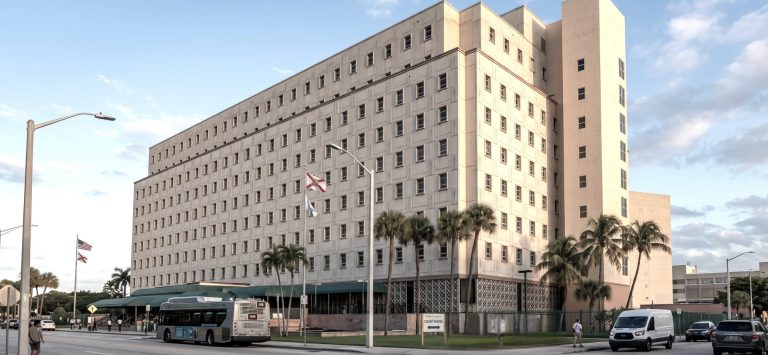
Miami-Dade County
Criminal cases filed in the Eleventh Judicial Circuit, centered at the Richard E. Gerstein Justice Building in downtown Miami.
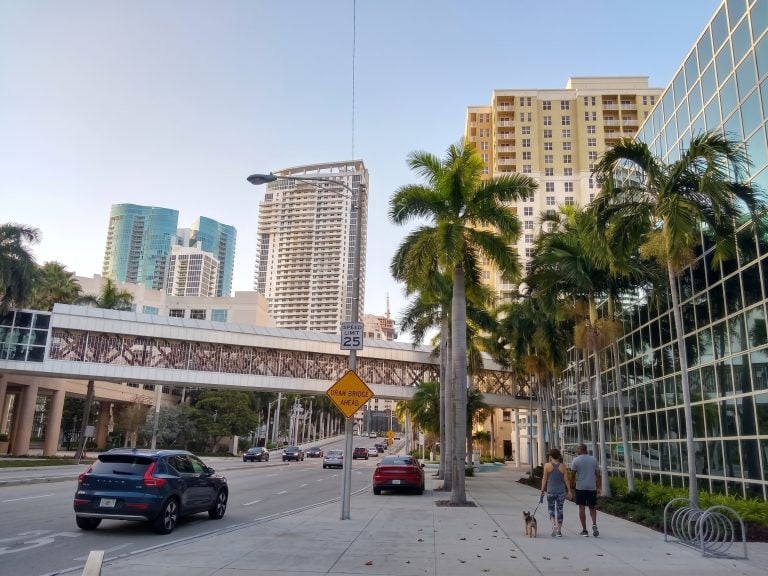
Broward County
Criminal cases filed in the 17th Judicial Circuit and heard at the Broward County Courthouse in Fort Lauderdale.
The full list of communities served is on the Areas We Serve page.
Direct attorney access at (305) 774-7000
First appearance happens within 24 hours of an arrest in Miami-Dade. Initial consultations are free and confidential, with no obligation to retain. Calling early in a matter tends to create more options than calling late. The firm maintains a 24-hour answering service. See whether you can call a lawyer and ask a question for free for what a first call covers.
What Our Clients Say
Verified Google reviews from clients represented by the firm across Miami-Dade and South Florida. See our full client testimonials page for more.


