
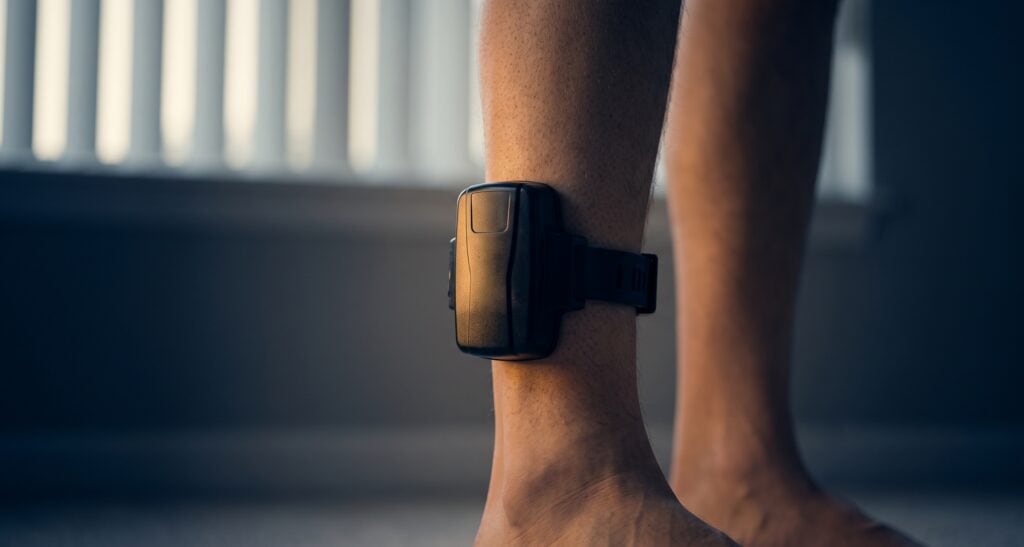
As of today, October 1, 2026, violating a no-contact order while out on bond is a separate crime in Florida. The new Victim Safety in Pretrial Release Act applies to certain violent charges and took effect today.
What a No-Contact Order Covers
A no-contact order set as a condition of pretrial release bars any contact with the alleged victim: in person, by phone, by text, by email, through social media, or through a third party relaying messages on the person’s behalf. These orders come up frequently in domestic violence cases, but they’re not limited to them; the new law applies to any case involving one of the qualifying charges below.
What Changed Today
Before this law, violating a no-contact condition of release could lead to bond being revoked, but it was not necessarily a separate criminal charge. Under the new law, codified at Fla. Stat. § 903.0472, willfully violating that condition is now its own offense, charged apart from whatever case the person was already facing.
Which Charges Trigger This Law
The new offense applies when the no-contact condition was imposed after an arrest for one of the following:
- Murder or manslaughter
- Assault or aggravated assault
- Battery or aggravated battery
- Stalking or aggravated stalking
- Kidnapping or false imprisonment
- Sexual battery
- Lewd or lascivious offenses against a person under 16
- Robbery
- Written or electronic threats to kill or cause bodily injury
- Any other felony involving the use or threat of physical force or violence
The Penalties
A first violation is a first-degree misdemeanor, punishable by up to one year in jail and a fine of up to $1,000. A second or later violation is a third-degree felony, punishable by up to five years in prison and a fine of up to $5,000.
No Automatic Bond on Arrest
Anyone arrested under this law, or arrested for a new offense while already on pretrial release for one of the crimes listed above, must be held in custody until their first appearance hearing. At that hearing, the court weighs the nature of the original charge, the person’s history of following court orders, and any sign of intent to intimidate or harm anyone, before deciding whether to allow release. See our full Miami-Dade bail and bond guide for how release decisions work more broadly.
Officers Can Arrest Without a Warrant
The law also amends Fla. Stat. § 901.15 to let an officer arrest someone without a warrant whenever there is probable cause to believe this section was violated.
Frequently Asked Questions
What counts as violating a no-contact order?
Any direct or indirect contact with the alleged victim that the order prohibits, including phone calls, texts, social media messages, showing up at a shared location, or asking someone else to pass along a message.
Does this create a brand-new crime, or just increase an existing penalty?
It creates a new offense. A violation is charged on its own, not as an enhancement to the original case.
Can I get bond right away if I’m arrested for violating a no-contact order under this law?
No. The law requires the person to be held in custody until a first appearance hearing, where a judge decides whether to grant release.
Does this law apply to every criminal case with a no-contact order?
No, it applies when the no-contact condition followed an arrest for one of the qualifying violent offenses listed above, from assault and battery to stalking, kidnapping, sexual battery, and similar crimes.
What happens on a second violation?
It becomes a third-degree felony, punishable by up to five years in prison and a fine of up to $5,000, instead of the first-offense misdemeanor penalty.
Can police arrest someone for this without a warrant?
Yes. The law amends Fla. Stat. § 901.15 to allow a warrantless arrest whenever an officer has probable cause to believe the condition was willfully violated.
Does this law apply to cases that started before October 1, 2026?
The new crime itself does not reach backward: it applies to conduct that happens on or after October 1, 2026, since applying a new criminal offense to earlier conduct would raise an ex post facto problem under both the Florida and U.S. Constitutions. A no-contact violation that occurred before today would not be charged under this statute. Procedural provisions, like how bond is handled at a first appearance, can work differently and may reach pending cases regardless of when the underlying charge was filed, which is why it’s still worth confirming with an attorney how the law applies to the timing involved in a given case.
What should I do if I’ve been accused of violating a no-contact order?
Call a criminal defense attorney before your first appearance hearing, not after. Because this law removes automatic bond, that hearing is now the first and most important chance to present the judge with context the officer’s report may not include.
Being accused of violating a no-contact order under this new law is serious, and being held without an automatic bond makes getting help early even more important. If you or someone you know has been arrested for this, call me directly. Calls reach me, Andre Rouviere, not an intake center, and the first consultation is free with no obligation to hire the firm. See our full Criminal Defense page for how the firm approaches cases like this. If it’s after hours or the weekend, the office keeps a 24-hour answering service.