
Frequently Asked Questions
What does Trenton’s Law change in Florida?
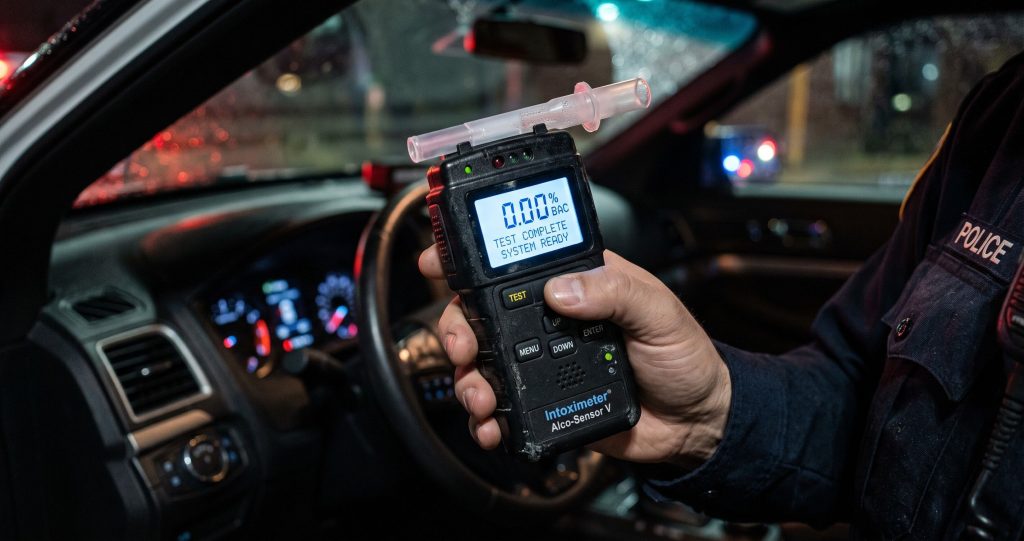
Refusing a breath or urine test after a DUI arrest is now a crime the first time it happens, not just a license suspension. House Bill 687, known as Trenton’s Law and codified as Chapter 2025-121, Laws of Florida, took effect October 1, 2025, and amended Fla. Stat. § 316.1932 and § 316.1939. Before this law, a criminal charge required a second or later refusal.
- First refusal, before October 1, 2025: administrative license suspension alone, no criminal charge.
- First refusal, on or after October 1, 2025: a second-degree misdemeanor, up to 60 days in jail and a $500 fine, in addition to the license suspension.
- Second or subsequent refusal: unchanged, a first-degree misdemeanor, up to one year in jail and a $1,000 fine.
- Repeat DUI manslaughter: reclassified from a second-degree felony (15-year maximum) to a first-degree felony.
Did the license suspension periods change too?
No. The administrative suspension through the Department of Highway Safety and Motor Vehicles remains one year for a first refusal and 18 months for a second or subsequent refusal. What changed is that a first refusal now also carries a separate criminal charge, stacked alongside that suspension rather than replacing it.
Does Trenton’s Law apply to boating under the influence too?
Yes. Trenton’s Law applies the same enhanced framework to BUI cases as it does to DUI cases, including the refusal penalties and the manslaughter reclassification discussed below.
What changed for repeat DUI manslaughter convictions under Trenton’s Law?
A second or subsequent conviction for DUI manslaughter or vehicular homicide is now a first-degree felony, reclassified up from a second-degree felony. A second-degree felony carries a maximum of 15 years. A first-degree felony carries far more exposure, reported at up to 30 years for repeat offenders under this change.
Does the refusal charge go away if the DUI charge is dropped or I am found not guilty?
No. The refusal charge is a separate, standalone offense from the underlying DUI charge, not a piece of it. A driver can be acquitted of DUI, or have that charge dismissed entirely, and still be convicted of criminal refusal. The two charges are evaluated independently of each other.
Does an officer have to warn me about the new criminal exposure for refusal?
Yes, and this carries real weight. Under the amended Fla. Stat. § 316.1939, being properly informed that a refusal now carries criminal exposure, not just a license suspension, is a required element of the refusal offense. If an officer relies on an outdated warning card or fails to give this warning, that gap can be directly challenged as part of the defense. The refusal charge also depends on the underlying stop and arrest being lawful in the first place, a separate and sometimes stronger point to examine.
What should I do if I am facing a refusal charge under this law?
This is new enough that the way it plays out in individual cases is still developing in real time across Florida courts, including in Miami-Dade. Whether the warning was given correctly, whether the stop and arrest were lawful in the first place, and how the refusal charge interacts with any underlying DUI charge are all fact-dependent questions worth a real review. See our page on what to expect after a first DUI arrest in Florida for the broader process, and our DUI and Traffic Defense page for how these cases are handled locally, and our Legal Terms Glossary for related DUI terms like actual physical control.
The first consultation is free and confidential, with no obligation to retain.