
Miami Beach Car Accident Attorney
Direct attorney representation for crashes at Alton Road and Dade Boulevard, the Julia Tuttle Causeway, and South Beach corridors. Free, confidential consultation.
Frequently Asked Questions
What should I do immediately after a car accident in Miami Beach?+
Why is Alton Road and Dade Boulevard considered so dangerous?+
I was in an accident involving a pedestrian, cyclist, or scooter in Miami Beach. Does that change my case?+
How long do I have to seek medical care after a Miami Beach car accident?+
What if I was partially at fault for the accident?+
What if the other driver did not have enough insurance to cover my injuries?+
What if I was hit by a rideshare driver in Miami Beach?+
How do I get the police report for my Miami Beach car accident?+
What if I was hit by a drunk driver in Miami Beach?+
A Compact City With a Different Mix
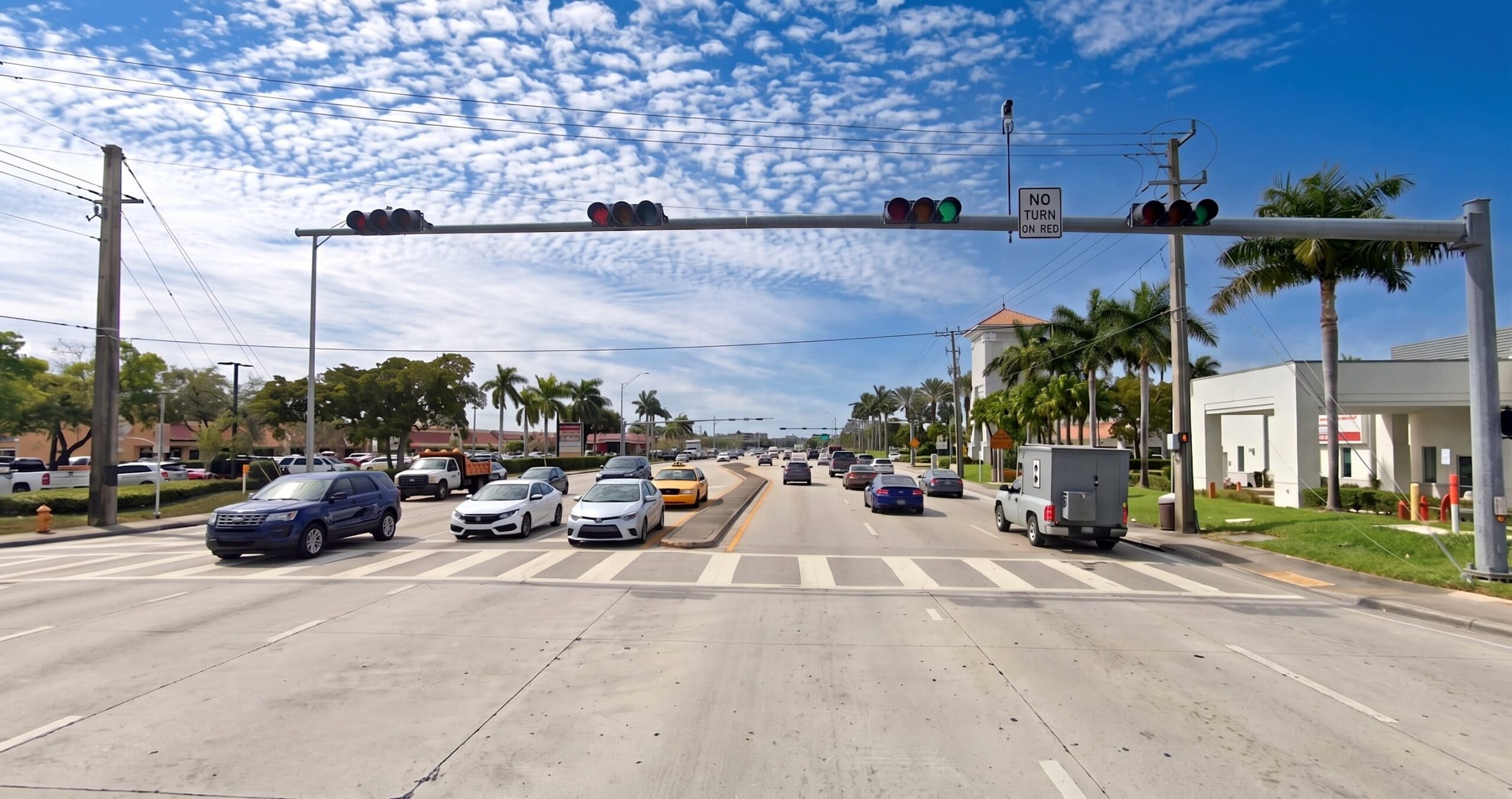
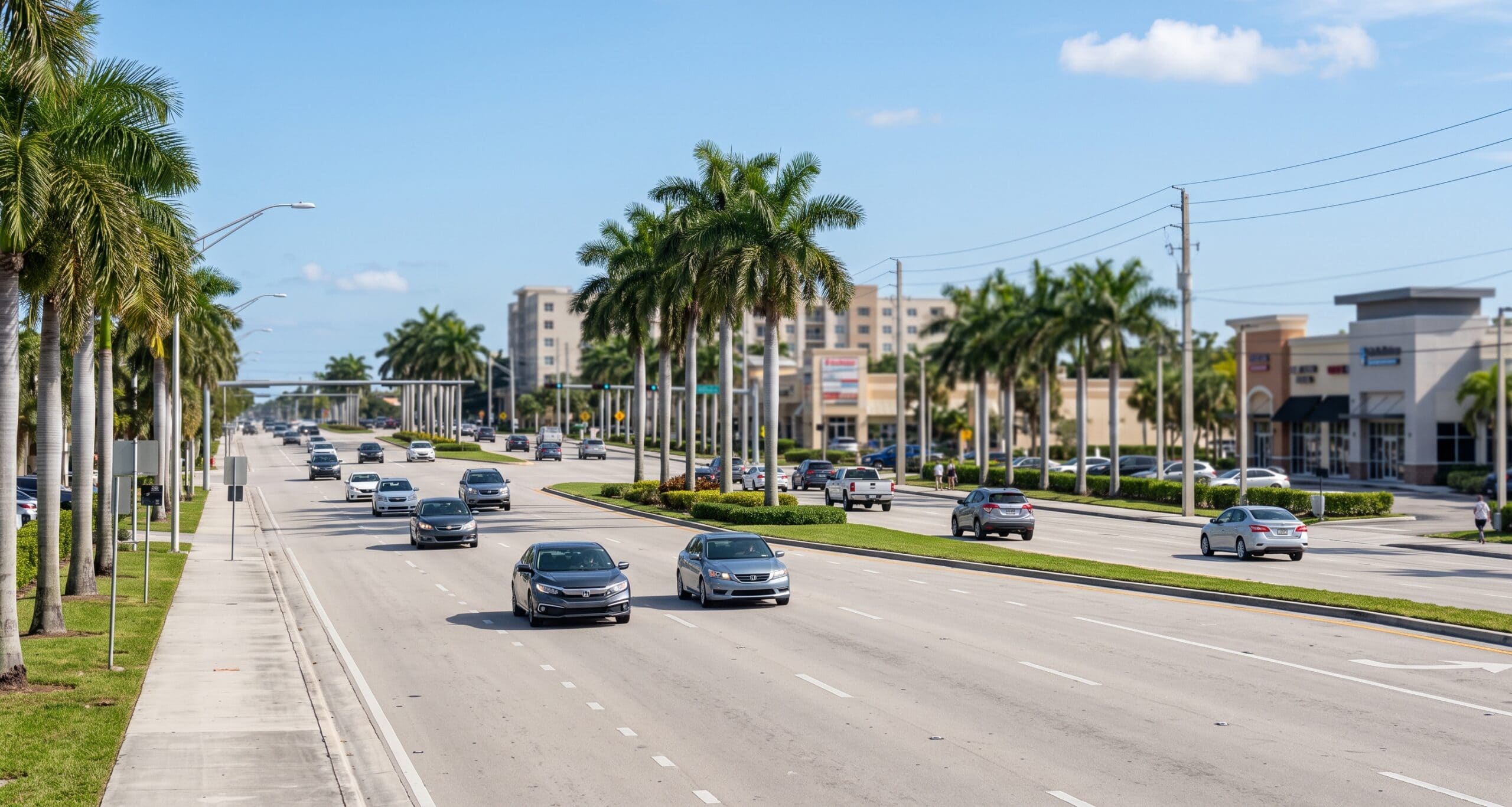
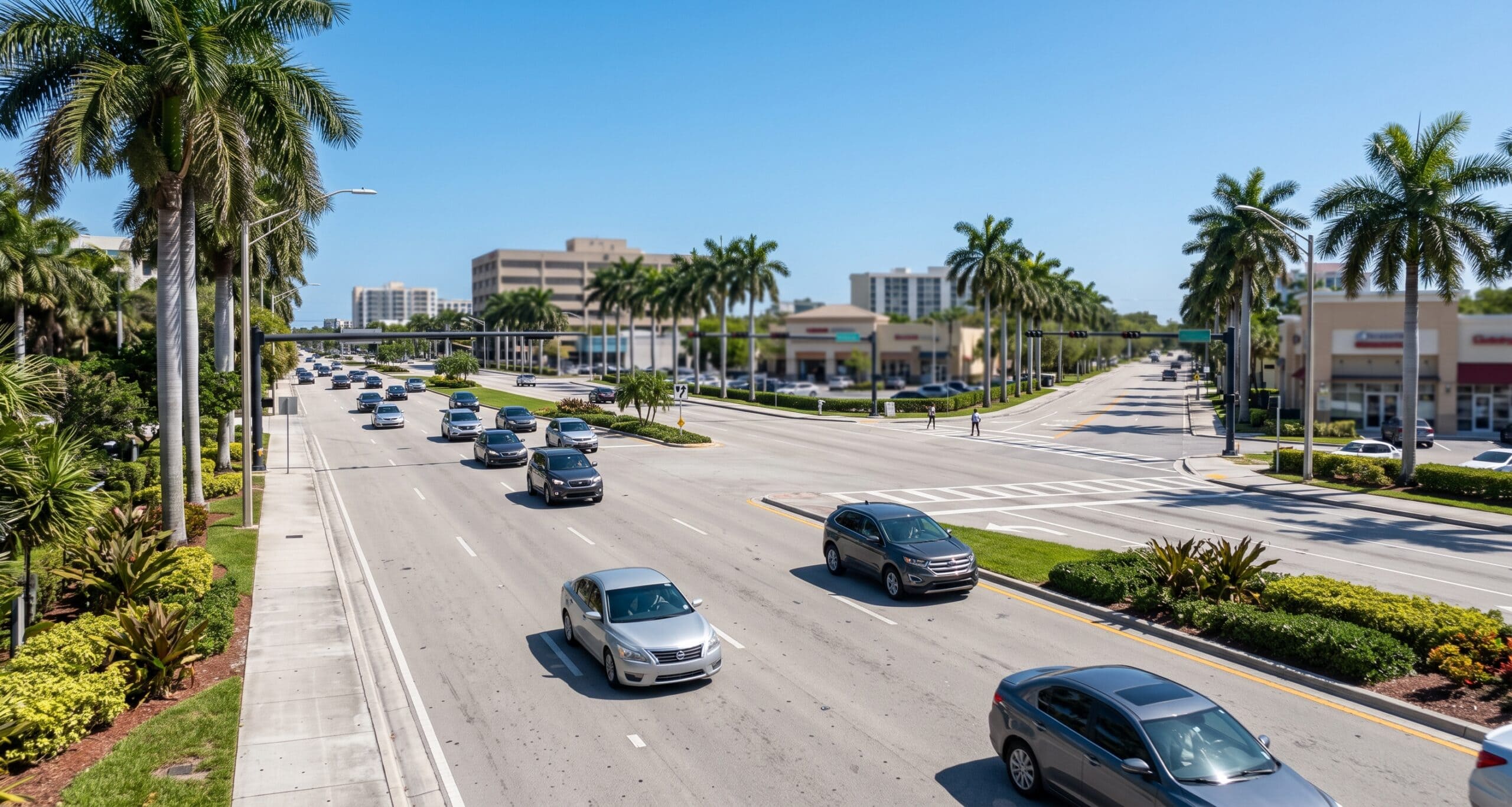
Certain intersections and corridors account for a disproportionate share of serious Miami Beach collisions. Miami Beach's geography compresses a large volume of drivers, cyclists, pedestrians, tourists, and nightlife traffic into a small area.
Alton Road & Dade Boulevard
This intersection is consistently named among the most dangerous in Miami-Dade County, with ongoing construction, sudden lane shifts, and irregular signal timing adding real risk.
Julia Tuttle Causeway
Traffic backs up consistently on the causeway connecting South Beach to the mainland, particularly during evening rush hour and weekend nightlife hours.
South Beach Pedestrian Corridors
Dense foot traffic, cyclists, and scooters mixing with vehicle traffic in a compact area creates a distinct pattern of pedestrian and cyclist-involved collisions.
The Clock Starts at the Crash
Florida's statute of limitations for a car accident lawsuit runs 2 years from the date of the crash. Missing this deadline can permanently bar the claim, regardless of how strong the underlying facts are.
- PIP coverage requires seeking medical care within 14 days of the crash
- Missing the 14-day window can mean losing PIP coverage entirely
- Comparative fault under HB 837 can reduce or bar recovery entirely
- Claims involving a drunk driver still follow the same civil deadline
A Different Mix Changes the Approach
Miami Beach's geography compresses a large volume of drivers, cyclists, pedestrians, tourists, and nightlife traffic into a small area, a different mix than the wider, more spread-out corridors on the mainland. That density changes how evidence gets gathered and how fault in many cases gets contested.
A Compact City With a Different Traffic Mix
Miami Beach's geography compresses a large volume of drivers, cyclists, pedestrians, tourists, and nightlife traffic into a small area, a distinctly different mix than the wider, more spread-out corridors on the mainland. That density changes how evidence gets gathered and how fault generally gets contested.
A dense island city means witnesses are commonly close by right after a crash. Finding them quickly carries more weight here than almost anywhere else in the county.
Pedestrian, Cyclist, and Scooter Cases
Miami Beach's compact geography and heavy foot and cyclist traffic create cases with different questions than a standard vehicle collision. Right-of-way at the particular location, visibility, and whether a driver was making a turn without properly checking all come into play. These cases come up regularly here and are evaluated differently than a standard collision.
Documented Dangerous Intersections
Certain intersections carry a documented reputation, and repeated appearances on independent "most dangerous" lists can be relevant to how a case is investigated. The intersection of Alton Road and Dade Boulevard appears repeatedly across independent lists of Miami-Dade's most dangerous intersections.
Uninsured and Underinsured Drivers
Florida does not require drivers to carry bodily injury liability coverage, meaning a substantial number of at-fault drivers are underinsured or uninsured entirely. See our full Car Accidents page for how uninsured and underinsured motorist coverage works in that situation.
Related Personal Injury Matters
A Miami Beach car accident case commonly overlaps with related personal injury and criminal defense areas.
The outcome of a Miami Beach car accident case depends on the particular corridor, the available evidence, and how quickly it gets preserved, and that requires a real review, not a guess. See our full Car Accidents page for the complete legal framework, including how our contingency fee structure works. The first consultation is free and confidential, with no obligation to retain.
Car Accident Representation Across Miami-Dade
Crash patterns and local courts vary by city. See detailed information for the areas below, or see the firm's full Areas We Serve page.


Direct attorney access at (305) 774-7000
The outcome of a Miami Beach car accident case depends on the particular corridor, the available evidence, and how quickly it gets preserved. The first consultation is free and confidential, with no obligation to retain.
What Our Clients Say
Verified Google reviews from clients represented by the firm across Miami-Dade and South Florida. See our full client testimonials page for more.


