
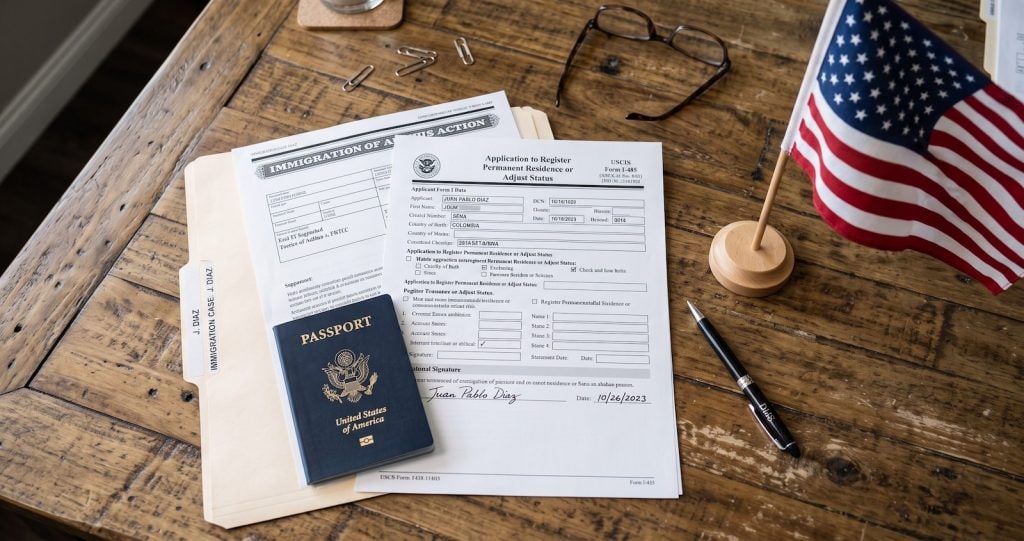
Domestic violence and immigration status intersect in more than one direction. The other side of that intersection, what happens to someone accused of a domestic violence offense, is a serious concern. But being the victim of domestic violence can open a path to legal status, not close one.
Frequently Asked Questions
What does VAWA provide for domestic violence victims?
The Violence Against Women Act allows a person abused by a spouse, parent, or child who is a U.S. citizen or lawful permanent resident to self-petition for legal status. The abusive family member is never notified and never has to cooperate. Despite the name, VAWA protections apply regardless of gender. See our full Legal Terms Glossary for how terms like these are defined in practice.
Why does the VAWA self-petition carry so much weight?
Most family-based immigration requires the U.S. citizen or green card holder to file on the other person’s behalf. That gives the abuser control over the victim’s status, and some abusers use that control as a weapon. VAWA removes that leverage entirely. The victim files independently.
How is a U visa different from a VAWA self-petition?
A U visa is a separate path for victims of certain crimes, including domestic violence, who cooperate with law enforcement in investigating or prosecuting the offense. It does not require a family relationship to the abuser the way VAWA does. Some victims qualify for both and can choose; others qualify for just one, depending on the relationship and the facts.
How does a Florida domestic violence case support a VAWA or U visa filing?
A protective order, a police report, and the record from a domestic violence case can all become supporting evidence for a VAWA self-petition or a U visa. Building that documentation carefully, while the case is active, counts for the immigration path that may follow it.
Does a VAWA self-petition require a criminal conviction of the abuser?
A VAWA self-petition does not require a criminal conviction of the abuser, and does not require the victim to still be married to or living with the abuser at the time of filing in every circumstance. It also does not require immigration status of any kind to access shelter, counseling, or domestic violence services in the first place.
If this applies to you
If you are the victim of domestic violence and are not a U.S. citizen, this is worth raising early, both in the domestic violence case itself and with an immigration attorney about VAWA or a U visa. Coordinating the two carries weight, since the domestic violence case can directly support the immigration filing.
The first consultation is free and confidential, with no obligation to retain. Calling early in a case tends to create more options than calling late.