
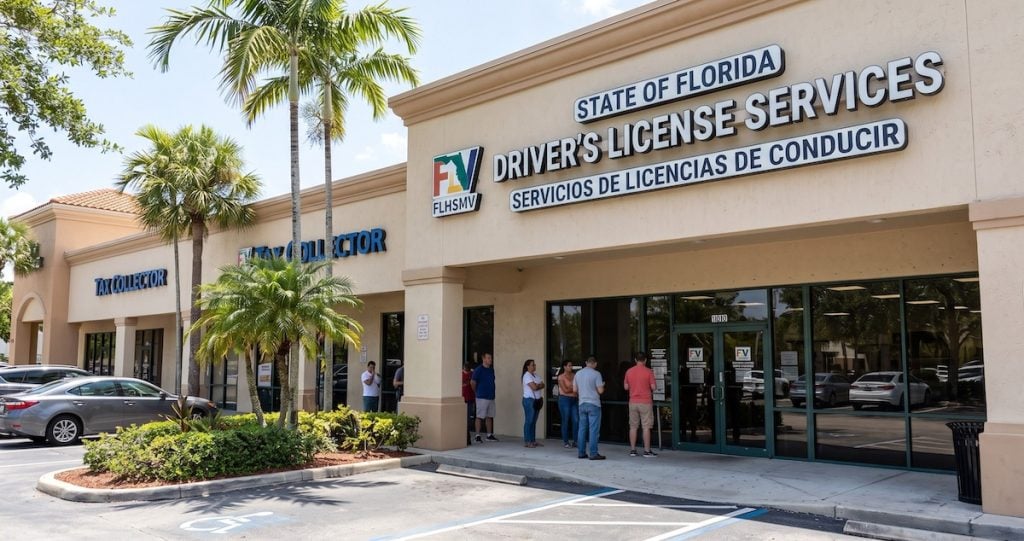
Isaiah’s Law took effect in Florida on July 1, 2026. It amends Fla. Stat. § 322.264 to add a new offense to the list that can trigger habitual traffic offender status: driving without a valid license. Anyone in Miami-Dade with more than one traffic matter on their record should understand this change before it becomes a five-year problem.
Frequently Asked Questions
What is a habitual traffic offender in Florida?
A habitual traffic offender, commonly shortened to HTO, is defined under Fla. Stat. § 322.264 as a person who accumulates three or more convictions of specified offenses, arising from separate acts, within a five-year period. The qualifying offenses include vehicular manslaughter, DUI, any felony committed with a vehicle, driving on a suspended or revoked license, and failing to stop and render aid after a crash causing death or injury.
What did Isaiah’s Law add to the habitual traffic offender list?
Isaiah’s Law adds driving a motor vehicle without a valid license, a violation of Fla. Stat. § 322.03, to the offenses that count toward HTO status. That offense was not on the list before July 1, 2026. Three separate convictions for driving without a valid license, within a five-year window, can now trigger the same five-year revocation that DUI and vehicular manslaughter have long carried.
How is driving without a valid license different from driving on a suspended license?
Florida treats these as two distinct offenses. Driving while a license is suspended or revoked has counted toward HTO status for years. Driving without a valid license under § 322.03 covers a different group: people who never held a valid Florida license, let a license lapse, or are otherwise unlicensed, as opposed to someone whose license was actively suspended or revoked. Isaiah’s Law closes that gap.
What happens once someone is designated a habitual traffic offender?
The Department of Highway Safety and Motor Vehicles revokes the license for a minimum of five years from the date of revocation, with driving permitted in the limited circumstances under § 322.271. Driving after an HTO revocation is a third-degree felony under § 322.34(5). That felony exposure is far higher than the traffic offenses that caused the designation in the first place.
Does a withheld adjudication count toward habitual traffic offender status?
Yes. Under § 322.264, a withhold of adjudication on a qualifying offense counts as a conviction for HTO purposes. Florida applies this same rule across multiple areas of traffic and criminal law: a withhold can resolve the immediate charge without a formal conviction on paper, while still counting against a person later. See our full Legal Terms Glossary for how a withhold of adjudication differs from other case outcomes.
When did Isaiah’s Law take effect, and who does it affect?
Isaiah’s Law took effect July 1, 2026, as part of Chapter 2026-53, Laws of Florida. It affects anyone accumulating convictions, including withholds, for driving without a valid license in Florida, in addition to any other HTO-qualifying offenses already on their record. Prior convictions from before July 1, 2026 can still count toward the three-conviction threshold once combined with a new violation.
What should I do if I am facing a charge that could push me toward habitual traffic offender status?
Treat a new citation for driving without a valid license, or any HTO-qualifying offense, as more serious than a routine traffic ticket. A five-year license revocation changes how someone gets to work, school, and court. See our DUI and Traffic Defense page for how these cases are handled in Miami-Dade.
The first consultation is free and confidential, with no obligation to retain. Calling early in a case tends to create more options than calling late.